


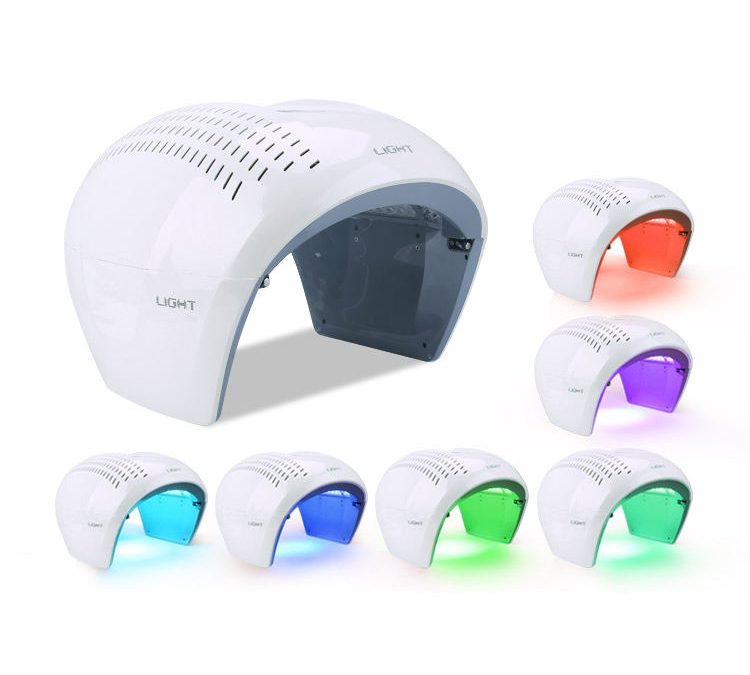
LED (Light Emitting Diode) light therapy has become one of the most popular non-invasive skincare treatments in recent years. From dermatology clinics to at-home beauty devices, this technology promises to improve skin health without pain, downtime, or surgery. But does LED light therapy actually work? The answer is yes—for many people, it can provide noticeable benefits when used consistently and correctly. However, the results depend on the type of light, the skin concern being treated, and realistic expectations.
LED light therapy works by exposing the skin to different wavelengths of light. Unlike ultraviolet (UV) rays from the sun, LED light does not damage the skin. Instead, it penetrates the skin at various depths to stimulate natural healing processes. Each color of light serves a different purpose, making the treatment versatile for multiple skin conditions.
One of the most commonly used wavelengths is red light, which is known for its anti-aging benefits. Red light penetrates deep into the skin and helps stimulate collagen and elastin production. These proteins are essential for maintaining firm, smooth, and youthful-looking skin. With regular treatments, many people notice a reduction in fine lines, wrinkles, and overall skin laxity. Red light therapy may also improve circulation, which supports healthier skin and faster healing.
Blue light therapy is primarily used to treat acne. It targets acne-causing bacteria on the skin, helping reduce breakouts without the need for harsh medications. Blue light can also decrease inflammation associated with pimples, making it a popular option for people with mild to moderate acne. Dermatologists often recommend combining blue and red light therapy for better acne management, as red light helps calm inflammation while blue light eliminates bacteria.
Other LED light colors, such as green, yellow, and near-infrared, are also used for specific skincare goals. Green light may help reduce pigmentation and dark spots, yellow light can soothe redness and improve skin tone, while near-infrared light penetrates even deeper than red light to support tissue repair and reduce inflammation.
One of the biggest advantages of LED light therapy is its safety. The treatment is painless, non-invasive, and suitable for most skin types. There is no recovery time, allowing patients to return to their daily activities immediately after a session. Side effects are generally minimal, though individuals with certain medical conditions or light sensitivities should consult a healthcare professional before treatment.
Professional LED treatments performed in dermatology clinics typically deliver stronger and more consistent results than home-use devices. However, high-quality at-home LED masks and panels can still be effective when used according to the manufacturer’s instructions. Most experts recommend multiple sessions over several weeks before noticeable improvements appear. Consistency is key, as LED therapy works gradually by encouraging the skin’s natural repair mechanisms.
While LED light therapy offers many benefits, it is not a miracle cure. Deep wrinkles, severe acne scars, and significant skin laxity may require additional treatments such as microneedling, laser resurfacing, or chemical peels. LED therapy works best as part of a comprehensive skincare routine that includes sunscreen, moisturizers, and healthy lifestyle habits.
Scientific research supports many of the claims surrounding LED light therapy, particularly for acne treatment, wound healing, and stimulating collagen production. Although individual results vary, many users report smoother, clearer, and healthier-looking skin after regular treatments.
In conclusion, LED light therapy is an effective and safe skincare treatment for many common concerns, including acne, signs of aging, redness, and inflammation. Whether you choose professional treatments or a reliable at-home device, patience and consistency are essential for achieving the best results. When combined with proper skincare and sun protection, LED light therapy can be a valuable addition to maintaining healthy, radiant skin.
