


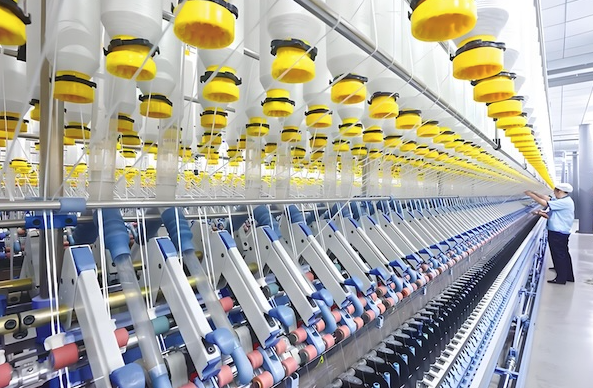
Elastic yarn has become a cornerstone of modern textile innovation, especially as the industry shifts toward more sustainable and performance-driven materials. Today’s leading manufacturers are not just creating yarns that stretch—they are engineering elastic yarns that are eco-friendly, functional, and aligned with global environmental goals. With advancements in recycled polyester, dope-dyed processes, antimony-free compositions, biodegradable fibers, and high-performance materials, elastic yarn is transforming the future of fashion, sportswear, home textiles, and industrial fabrics.
Elastic yarn stands out for its exceptional ability to stretch and recover, offering comfort, flexibility, and durability. Traditionally, elastic fibers relied heavily on materials that were not environmentally friendly. However, manufacturers are now integrating recycled polyester and biodegradable components to produce elastic yarns that minimize ecological impact without compromising performance. By using recycled raw materials, textile producers significantly reduce waste and energy consumption, contributing to a circular textile economy.
One of the notable advancements is the use of dope-dyed technology, a coloring method that applies pigment directly to the polymer solution before fiber formation. This eliminates the need for traditional dyeing processes, which consume large amounts of water, chemicals, and energy. Dope-dyed elastic yarn delivers excellent colorfastness, UV resistance, and consistent color quality—making it an ideal choice for activewear, athleisure, swimwear, and outdoor apparel. Most importantly, it dramatically reduces environmental pollution, supporting sustainable manufacturing from the very first production stage.
Another major innovation is the development of antimony-free polyester yarns, addressing health and environmental concerns associated with traditional polyester production. Antimony, a heavy metal catalyst used in many polyester processes, can pose risks if not properly controlled. Antimony-free elastic yarn offers a safer, cleaner, and more responsible alternative while still delivering the high-level elasticity and durability demanded in modern garments.
For brands seeking sustainability, biodegradable elastic yarns present a groundbreaking solution. These fibers are engineered to decompose under specific composting conditions, reducing their ecological footprint at the end of their life cycle. This innovation is especially valuable for fast-fashion and everyday garments, which often generate significant waste. Biodegradable elastic yarn bridges the gap between performance and environmental responsibility, supporting a future where textiles return safely to nature.
Performance polyester elastic yarns also play a critical role in technical applications. They offer high strength, moisture-wicking abilities, thermal stability, and excellent elasticity—making them suitable for sportswear, medical textiles, shapewear, socks, waistbands, and other stretch-intensive products. Their resistance to chemicals, UV rays, and repeated washing ensures long-lasting durability and wearer comfort.
As sustainability becomes a global priority, the demand for eco-friendly elastic yarns continues to grow. Modern consumers want clothing that feels good, performs well, and supports the environment. Forward-thinking manufacturers respond by designing yarns that meet these expectations through responsible sourcing, innovative production technologies, and reduced carbon footprints.
In conclusion, elastic yarn is no longer just about stretch—it represents a perfect blend of sustainability, innovation, and high performance. With advancements in recycled, dope-dyed, antimony-free, biodegradable, and performance polyester yarns, the textile industry is entering a new era of environmentally conscious elasticity. These next-generation yarns empower brands to create modern textiles that are comfortable, durable, and kinder to the planet, shaping a greener and more functional future for global fashion.
